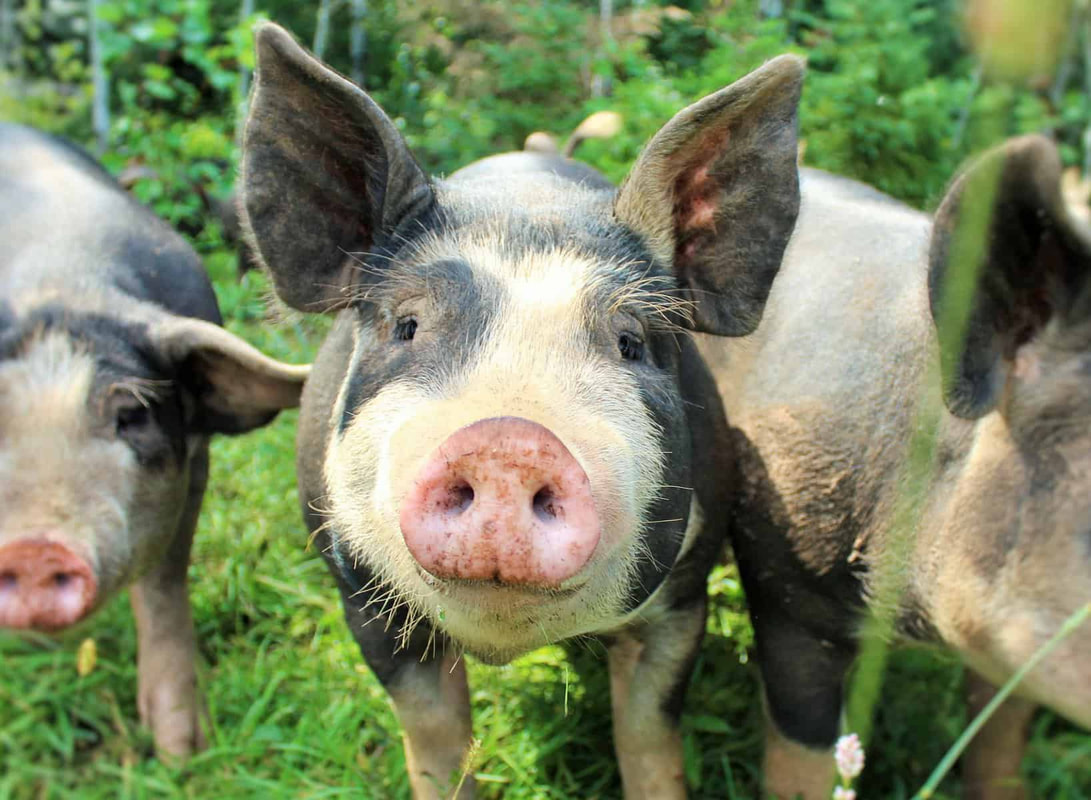
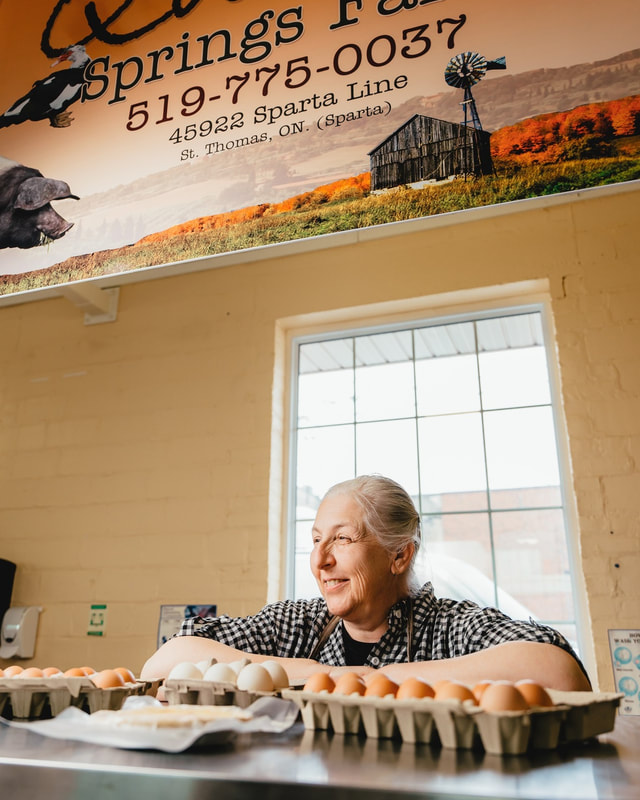
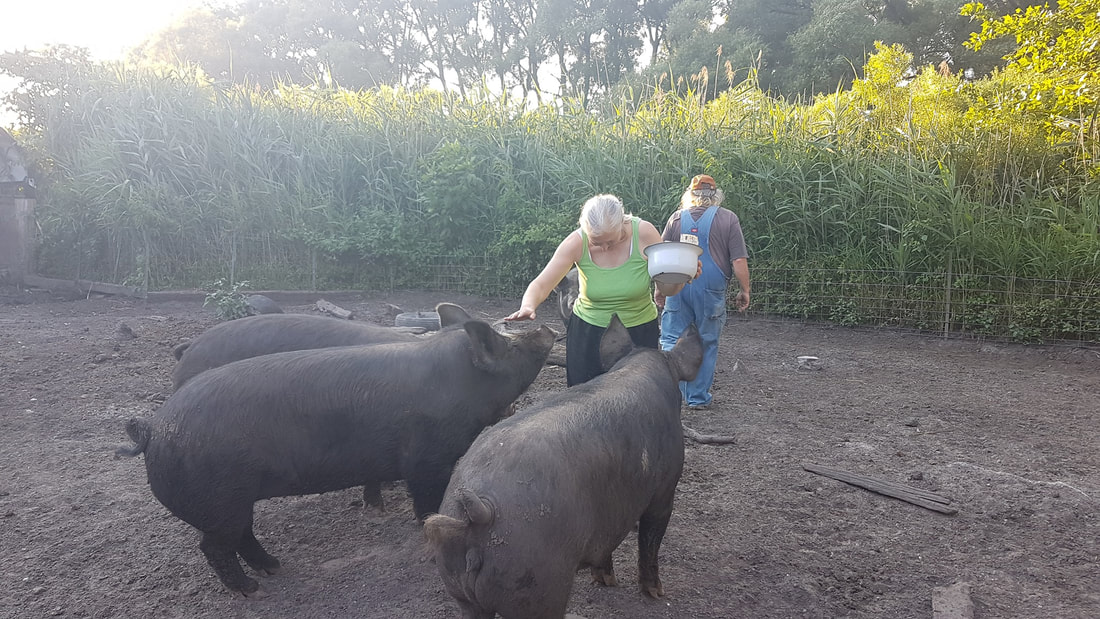
All of their animals are free range and GMO free, and include unique heritage pork breeds like Berkshire, Tamworth, and Mangalista pigs.
Lots of hard work, dedication, and attention to detail goes into raising their animals, and it results in delicious products and ready-made meals, like smoked ham steaks, fresh whole chickens, bacon, and sausage rolls, made with homemade pie crusts! “We make our ready-made meals from our pork and poultry,and we sell our fresh, whole poultry as well.” Vera states. “We try to make prepared foods that get people to try things they may not usually try, like Greek Patitisio with pork or lamb, or Caribbean curry with lamb, rice and peas.” Vera explained. When you shop at a farmers’ market like The Horton Farmer’s Market, it allows you as a consumer to try different cuts and products, while also being able to interact with and get suggestions and advice from the farmers growing and creating the products.
Vera and Wade take great pride in their animals and products, happily stating “We are responsible for what we raise.” They love meeting existing and new customers and sharing their products, knowledge, and pride with customers at The Horton Farmer’s Market. They also love the variety of other vendors at the market, “We get much of our fresh products from them for our prepared foods/meals.” Vera says. Just as Vera and Wade want their customers to know their farmers and know their food, the market allows them to do the same with different ingredients and products from other local vendors.
0 Comments
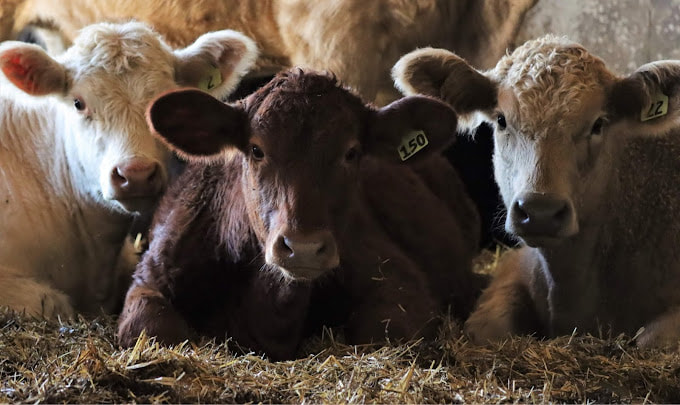
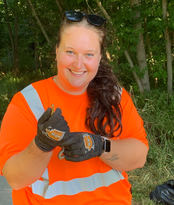
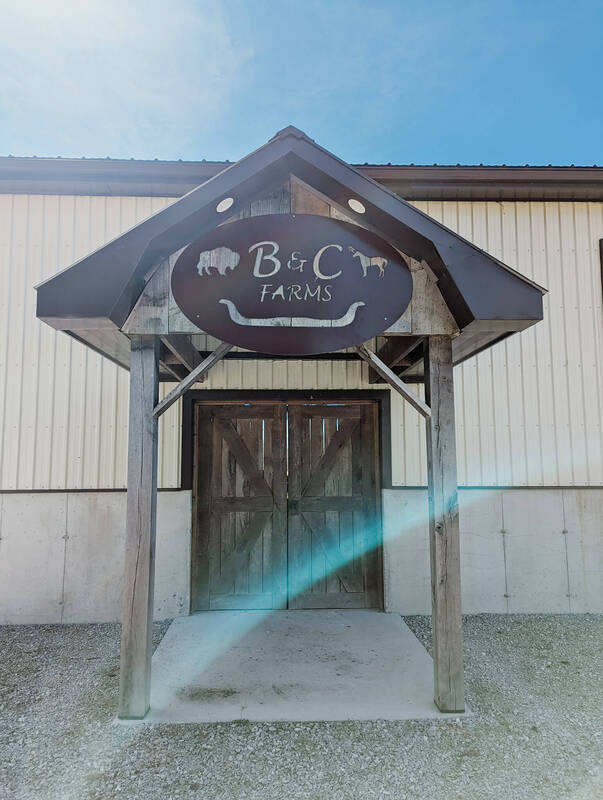
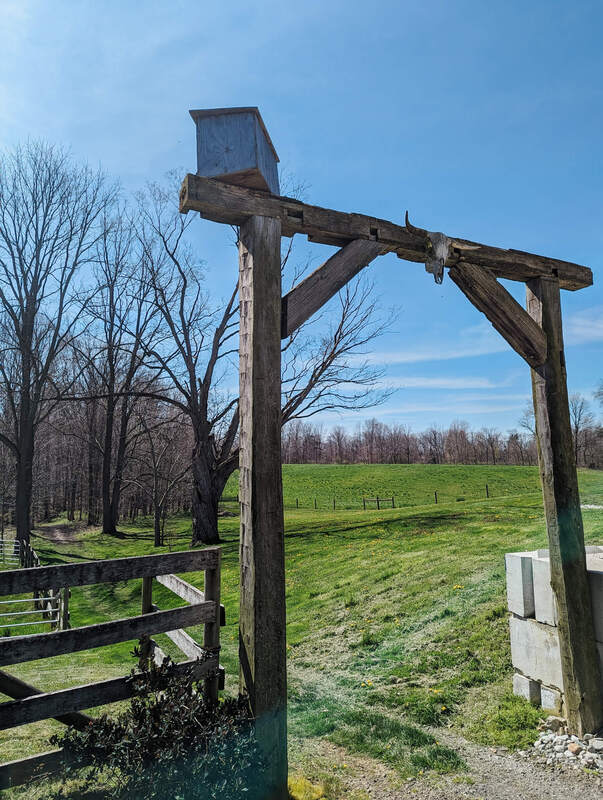
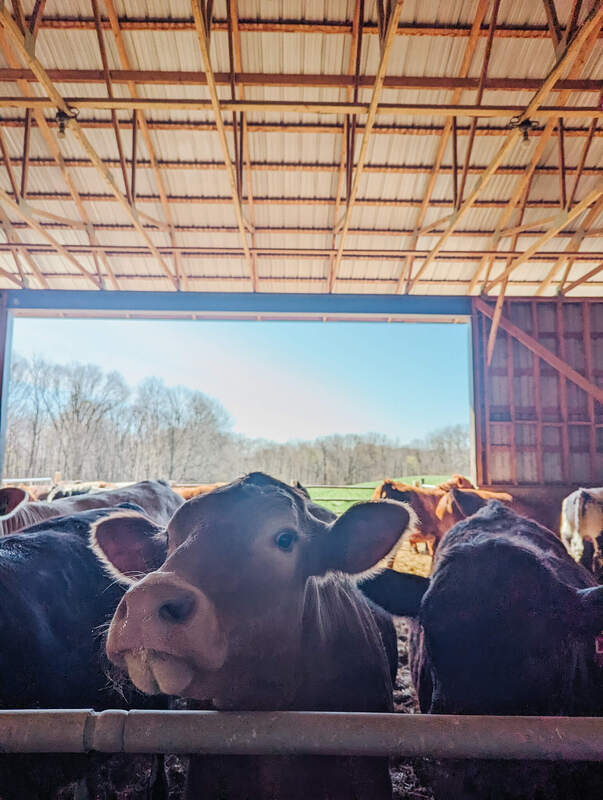
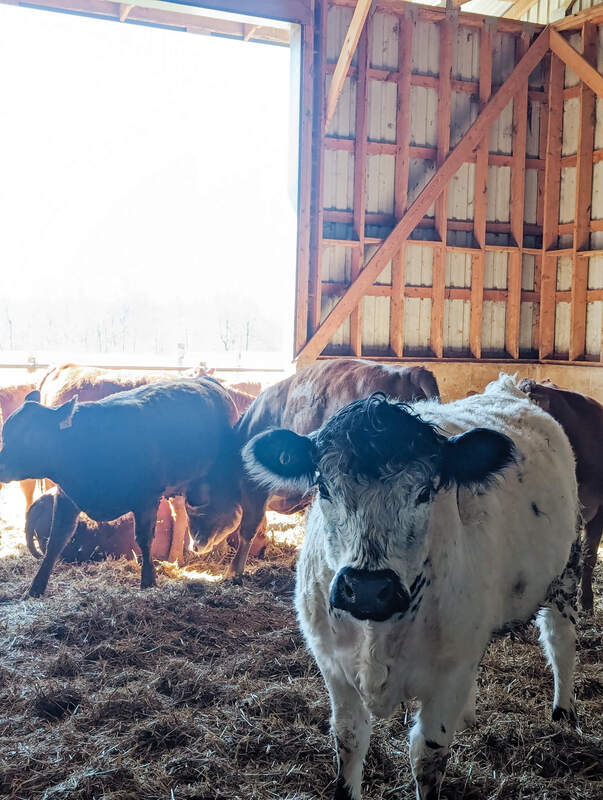
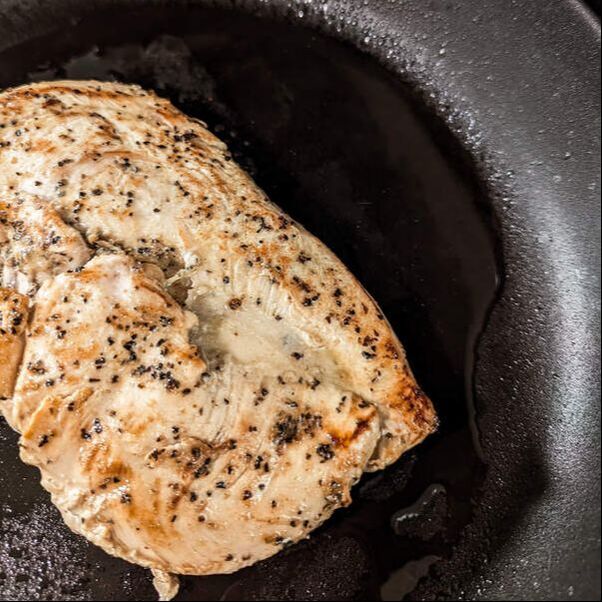
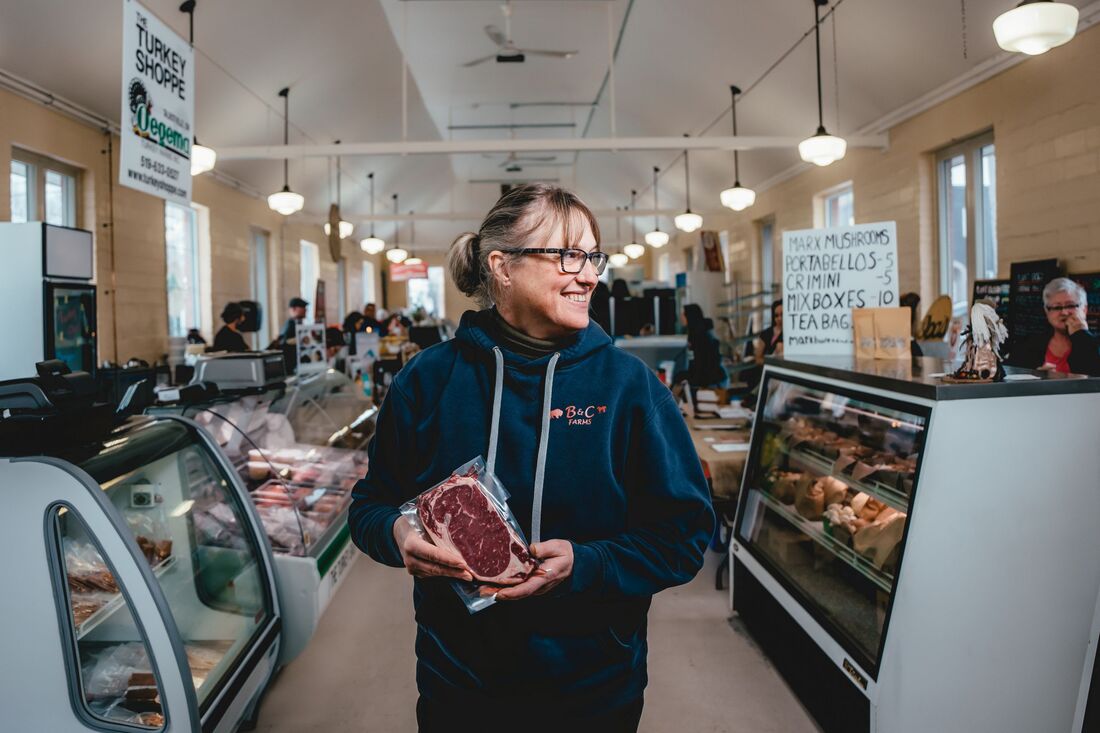
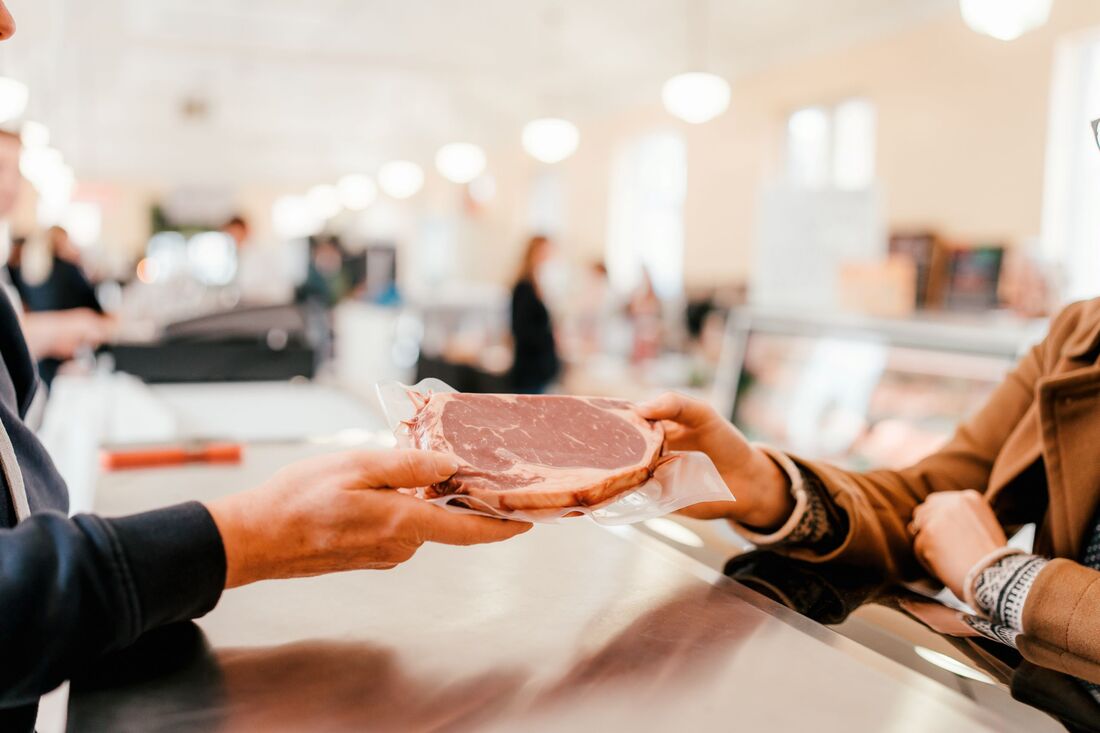
"We bought it for the land, for the space. We took everything down, built our first barn, and lived there." Carolin gestures to the Farm Store. "While building our house." The farm evolved from housing cow-calf pairs to expanding into stalker livestock. "We try to carry around 40-ish head," Carolin shared, laughing about their initial underestimation of their needs. "Turns out, we needed more barn space." Their commitment to quality was evident in every detail, from choosing breeds for leaner meat to their unique processing facility. "Our customer base is growing," she beamed, reflecting on their journey. "The Horton Market has been a game-changer, providing consistency and growth opportunities." While they began their journey as a hobby farm without necessarily anticipating going pro, farm life is familiar for both Ben and Carolin - they both grew up on farms, surrounded by farms. Their growth from hobby toward raising cattle commercially and adding on a processing facility began slowly until everything changed. In 2020, when obtaining some of the required meat cuts became difficult, the pair opted to solve their problem and open their own butchering facility to augment the on-farm store. This expansion subsequently increased the products they could make available. The extensive offerings include sausage, poultry (5-star recommendation for the Lemon Pepper Chicken Breast), pork, beef tallow, and unique cuts you likely don't see in regular grocery stores like Butt Bacon.
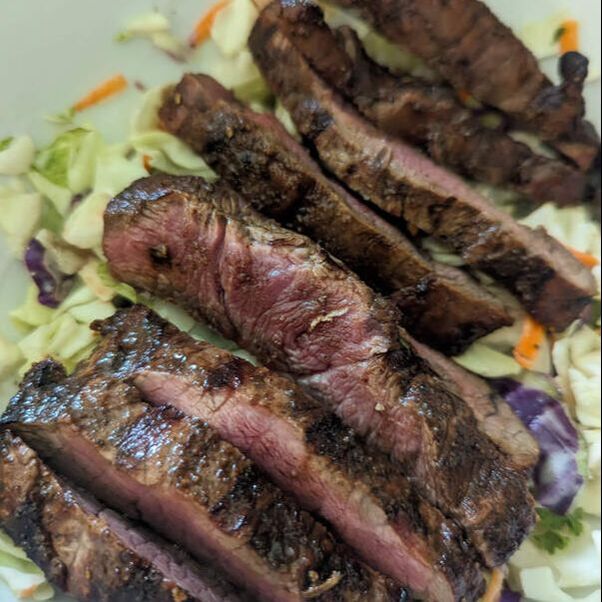
Carolin's eyes lit up as she spoke about underrated cuts like skirt steaks and chuck eyes. "We're able to increase sales by educating customers on these gems," she explained. "It's about more than just selling meat; it's about sharing knowledge and creating connections." It turns out there are a lot of underrated cuts of meat. This is the beauty of shopping at a farmers' market like The Horton Farmers' Market. As a consumer, you can connect directly with the person providing the product. In this case, Carolin can offer suggestions on preparation, such as how to slice a skirt steak to melt in your mouth just as much as that tenderloin you've been dreaming of. Their journey wasn't without challenges, but their perseverance and community support were unwavering. "The community has been absolutely amazing," Carolin emphasized. "From embracing our products to appreciating our dedication, it's been a rewarding experience." As the interview concluded, the essence of B & C Farms shone through—a testament to hard work, passion, and the power of community. From dilapidation to dynamism, their story was a reminder that every journey, no matter how humble its beginnings, can blossom into something beautiful with dedication and a little bit of love.
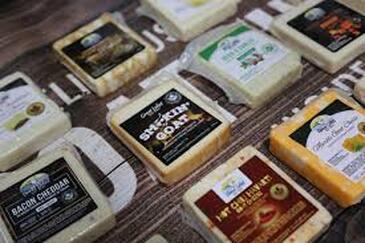 Step right up, cheese lovers and dairy enthusiasts, for a goat-tastic adventure at Great Lakes Goat Dairy! It all began 11 years ago when the cheese world was just not the same—firm goat cheeses were a rare find. But fear not, for a brilliant idea hatched in the minds of our daring cheese pioneers! Great Lakes Goat Dairy sprang to life, offering a unique twist to cheese aficionados everywhere. Their secret superpower? Creating a variety of cheeses that could be savoured by even those with dairy intolerances. Yes, you heard that right! Lactose lamentors, rejoice, for a cheese wonderland awaits. Picture this: firm goat cheese galore, from classic cheddar to creamy Havarti, delectable asiago to ooey-gooey mozzarella. Some with flavours that will dance on your taste buds and some crisp and clean for the purists among us. There's a cheese for every palate and occasion at Great Lakes Goat Dairy.
Along the way, they've learned a thing or two, and boy, have they got a fun-filled lesson to share! Turns out, many folks fall head over heels for their cheese once they get a taste of the magic. So, their secret to world cheese domination? Simple—get people to try it, and they'll be taking it home faster than a goat sprinting through a meadow.
Their love affair with the Horton Farmers' Market is no secret. Amidst the vibrant crowd, they find joy in connecting with customers, sharing cheesy stories, and watching smiles light up like stars in the sky. Attention, shoppers! Great Lakes Goat Dairy has a sumptuous treat in store for you this year! On those sweltering summer days when cooking feels like a marathon, or when you're entertaining for the holiday seasons ahead, they've got a delightful solution—cheese platters! Picture a spread of their heavenly cheeses, a tantalizing array of delicious options just waiting to dazzle your taste buds. Among their tantalizing lineup, one cheese shines —the Caramelized Onion Cheddar. Oh, sweet caramelized goodness meets the smoothness of cheddar in a match made in cheese heaven. And hold onto your aprons, for here's a magical recipe tip from the cheese wizards themselves—the Tomato Feta bake! Pair it with their feta, and you'll be transported to a flavour paradise you never knew existed. So, cheese enthusiasts, dairy-free warriors, and culinary adventurers make your way to Great Lakes Goat Dairy at the Horton Farmers' Market. Embrace the goat cheese magic, dance with flavours, and savour every bite like it's a cheese carnival in your mouth. The Great Lakes Goat Dairy welcomes you with open hooves, ready to show you a world of cheese that's oh-so-goat-tastic! 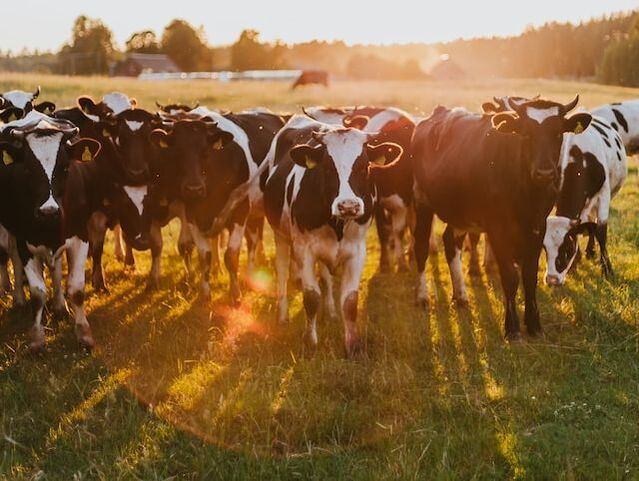 Once upon a sunny day in Belmont, a dairy dream came to life on June 18, 2022, when Mistyglen Creamery, an extension of the legendary Mistyglen Farms, flung open its barn doors to the world. Little did the world know that this charming creamery had a history dating back 70 years, filled with milky tales of success and a delightful twist to the dairy tale. Mistyglen Farms, with its rich tradition of dairy operations, had wanted to diversify its offerings. They dreamt of processing and retailing on the farm itself, which meant Kris, the passionate nurse turned farmer, could finally return to the family fold full-time. With the vision of on-farm processing planted 9 years ago, it had weathered through seasons of waiting, but in early 2020, it was time to milk that idea into reality. And so, the creamery nestled just 100 feet in front of the milking barn, where the magic of minimal processing and vat pasteurization unfolded. Unlike the shelf-dwellers of the dairy aisle, Mistyglen Creamery chose a low-temperature pasteurization method, preserving their high-quality raw milk with a nostalgic nod to the past. There are no unnecessary steps here, just pure, unhomogenized milk with a separation of cream atop the fluid milk, creating a picturesque canvas of dairy perfection.
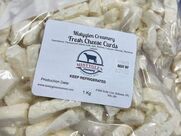
But the real showstoppers were the squeaky and scrumptious cheese curds! Every Friday, the creamery showcased the authentic Quebec way and the flavours! Loaded potato and dill pickle curds tantalized taste buds like a barn dance for the tongue.
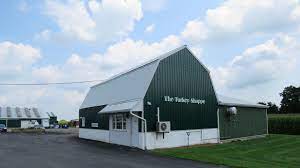
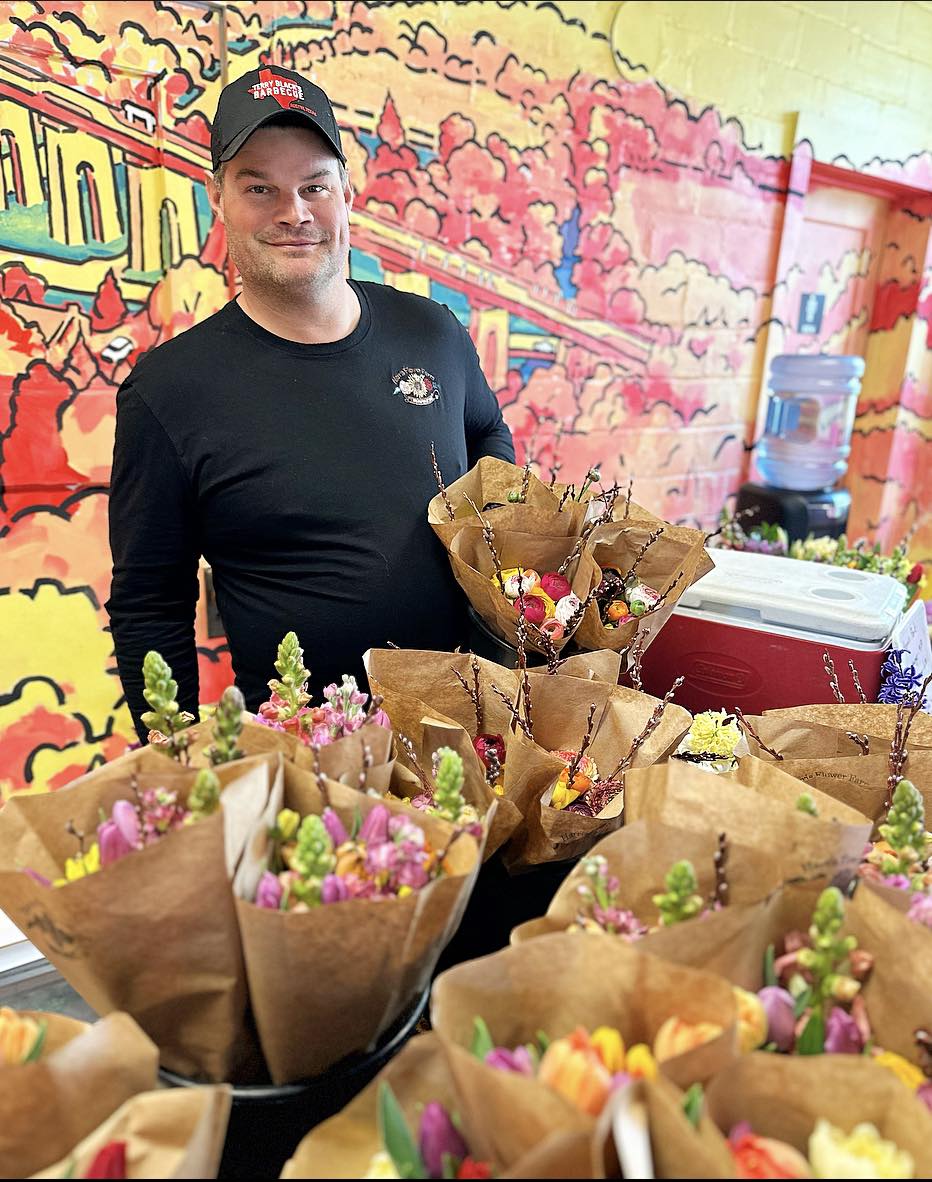
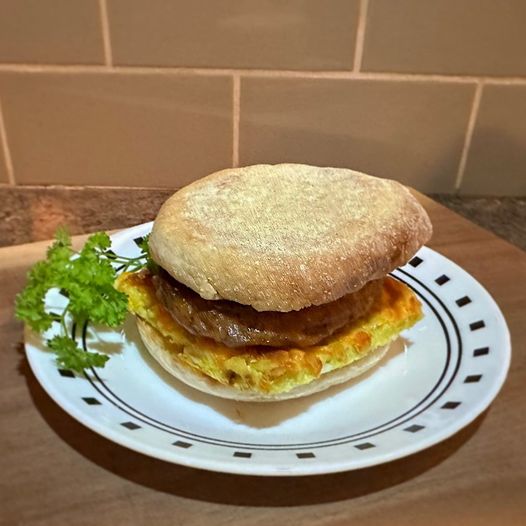
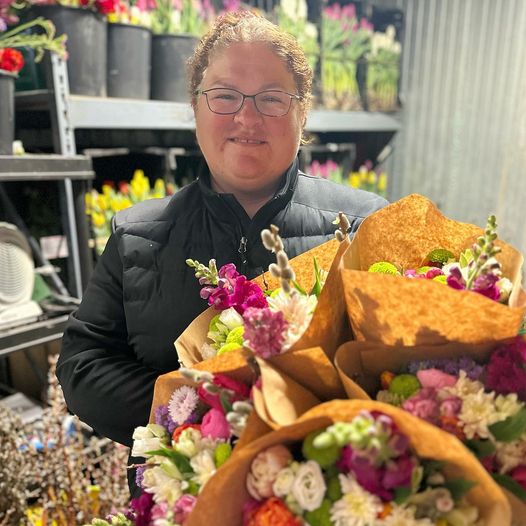
As the creamery flourished, Kris and the team were not content with being just another pit stop. Mistyglen Creamery was transforming into an agri-tourism haven. The farm beckoned the community with open arms, offering a sweet escape into the vibrant farm life (with a few chuckles from the unique farm smell). They envisioned a future where the farm hosted community services with a positive impact, like a dementia day program inspired by Care Farming—a nurturing embrace where farming and nursing danced in harmony. In the heart of the creamery, a retail wonderland unfolded. Shoppers delighted in Mistyglen's products and local gems, all while glimpsing into the mystical production area. The milking ladies showed off their hard work on the barn's live stream, captivating customers like a prime-time dairy drama. The Horton Market was the icing on Mistyglen Creamery's cake—a family of vendors and consumers knitted together with warm threads of community spirit. Collaborating with fellow vendors was a highlight, as was meeting customers face-to-face and treating them like cherished members of an extended family. To them, the Horton market was the essence of togetherness and love. There were whispers of future expansions to the yogurt line. New equipment and operations were afoot as the creamery strived to make creamy dreams come true. The yogurt was a heartthrob, vying for the top spot with the beloved white non-homogenized milk—a dairy dream that made hearts flutter. 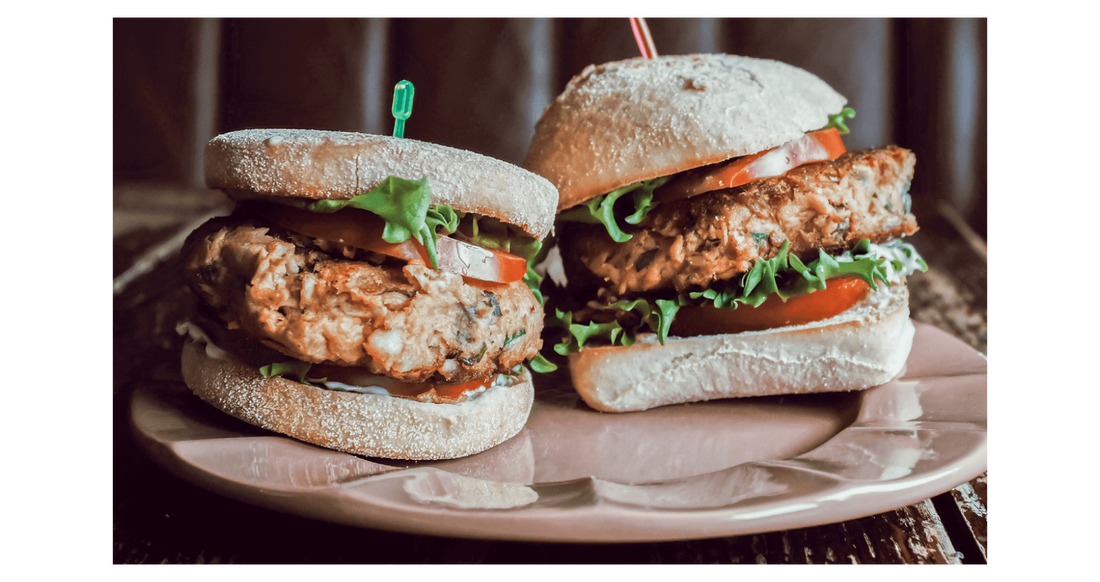 Step into a world of turkey magic at the Turkey Shoppe, nestled in the heartland of poultry perfection. Since 1958, this family farm has been serving succulent turkey delights. In 1992, they opened their on-farm retail store to further spread turkey love. What started as a small venture has blossomed into a buzzing hub of turkey goodness! What's their secret? They're all about turkey, all the time! The Turkey Shoppe covers every turkey craving, from plump breasts and sizzling sausages to mouthwatering deli cuts. They're the pros for making turkey a delicious part of your everyday meals. Whether you need a quick fix or plan a feast, they have just what you need. But it's not just about the food—the whole experience sets them apart. With a team of friendly and witty staff, they'll have you laughing your way through the aisles. They love being part of the Horton Farmers' Market, "We love the interaction with our customers and being part of their healthy eating lifestyle." It's a community, and they're proud to be a part of it! They're turning up the heat this year with their incredible chefs, Ben and Matt. They whip up exclusive heat-and-serve turkey meals every Friday to make your taste buds dance with joy. Follow their social media or website to stay in the loop and never miss a mouthwatering creation when it makes its Horton debut fresh on Saturday Morning! Now, let's talk about the star of the show: Turkey Schnitzel. "Turkey Schnitzel is always a favourite," this crowd-pleaser is quick, delicious, and oh-so-versatile. Whip it up for a gourmet sandwich, toss it on a bed of greens, or let it steal the spotlight in a fancy dinner. Here's the secret to perfection: preheat a lightly greased pan, sizzle it on medium-high heat for 3-5 minutes per side, and voila! Crispy, tender goodness awaits. So, whether you're a turkey enthusiast or just starting your poultry adventure, the Turkey Shoppe is your go-to destination for all things turkeylicious. Join the turkey revolution and experience flavour, fun, and a whole lot of gobble-tastic excitement at the Turkey Shoppe—where turkey reigns supreme! 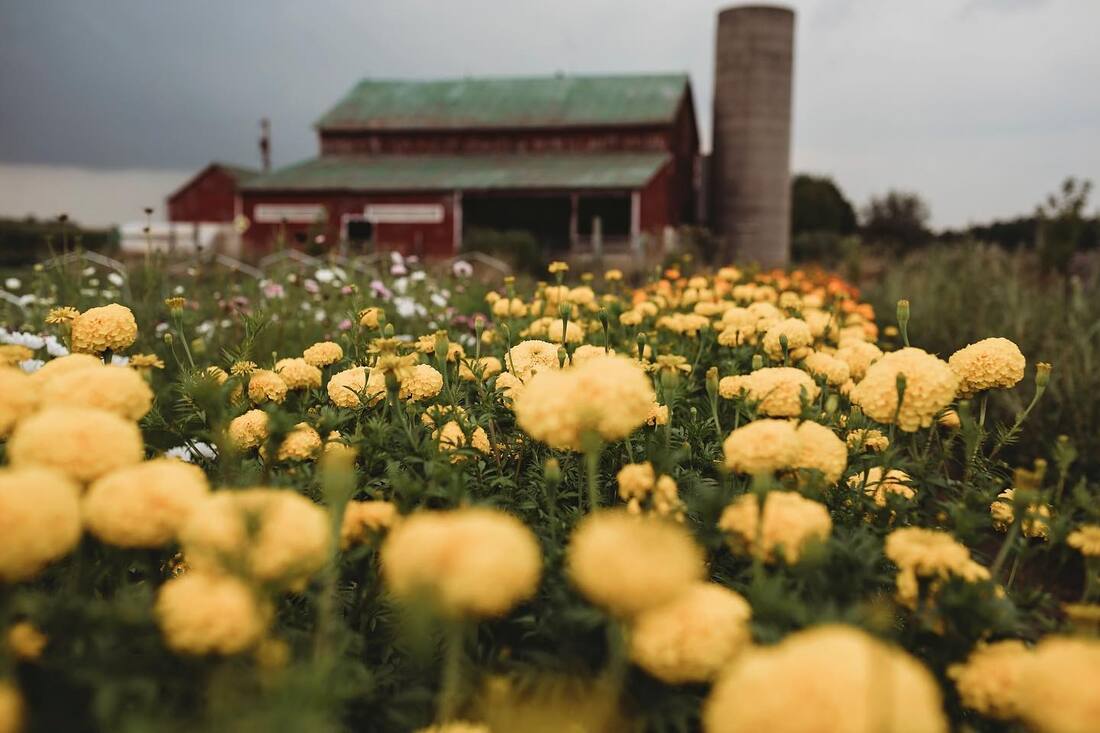 Photo by Jenn Eggleston Photography Step into a floral wonderland where nature's beauty intertwines with Harris Flower Farm's enchanting artistry. Founded in 2008 by Janis and Mark, this family-owned business has blossomed into a blooming sensation, with their three kids growing up amidst the vibrant petals and fragrant scents of their market stalls. Now, let's take a delightful stroll through their captivating story and see what makes Harris Flower Farm genuinely extraordinary. With her successful optical career, Janis yearned for something more—a chance to embrace her country roots and showcase her love for the land. Inspired by her mother's suggestion, Janis began cultivating gladiolus, placing them alongside their family's spot at the Horton Market. The response was overwhelming! Encouraged by the market's enthusiastic reception, Janis expanded her offerings, and Harris Flower Farm soon flourished into over 5 acres of exquisite blooms. At Harris Flower Farm, they proudly defy conventions, offering a stunning array of flower varieties and types that even mainstream florists dare not use. With every bouquet they create, they capture the essence of each season, allowing their customers to experience the enchanting journey of nature's kaleidoscope. Their bouquets are a magical snapshot of seasonal beauty, from vibrant spring blossoms to cozy autumnal hues. Harris Flower Farm extends its exquisite offerings to delight the senses of floral enthusiasts everywhere. Their blooms are in high demand and can be found at markets across Elgin County and their on-farm flower cart. But that's not all! Their online shop and flower delivery service ensure that friends and family can share the joy, making every occasion more memorable. The farm also provides flower bouquet subscriptions, adds a touch of charm to unforgettable special events, and creates breathtaking floral masterpieces for weddings that will forever be etched in memories. Amidst the hustle and bustle of the market, the Harris Flower Farm team has witnessed a delightful spectacle: people choosing their weekly bouquets. Sometimes the decision is swift and definitive; other times, it's a captivating dance of contemplation and deliberation. The sheer joy of observing these moments has taught them the beauty of choice, individuality, and the simple pleasures derived from embracing the ephemeral nature of flowers. What makes the Horton Farmers' Market genuinely exceptional? For Janis and Mark, it's the sense of belonging and the joy of watching their children grow alongside the market's vibrant tapestry. Their oldest, Cameron, is now learning the art of floral magic at their table. The warm embrace of the market's community, vendors and customers alike, has created a bond that transcends the transactions—a sense of family and shared passion that continues nourishing their spirits. This year, Harris Flower Farm invites you to discover the convenience and splendour of its online shop. A thoughtful gesture of sending flowers to your loved ones in the area has never been more effortless. But that's not all—they specialize in crafting exceptional arrangements for every occasion, infusing a touch of floral magic into weddings, and offering solace with flowers. Dear flower enthusiasts and market lovers, we extend an irresistible invitation to come down to the vibrant Horton Market, where the magic of Harris Flower Farm comes alive! You can also get a taste of their pasture raised pork with a breakfast visit to Bonjour Breakfast - order the OMG sausage breakfast sandwich! 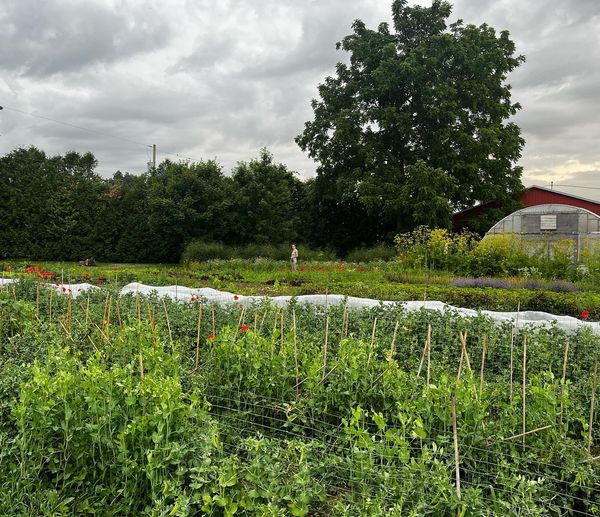
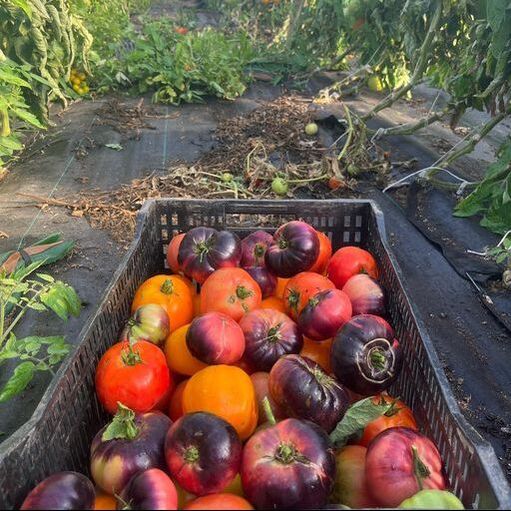
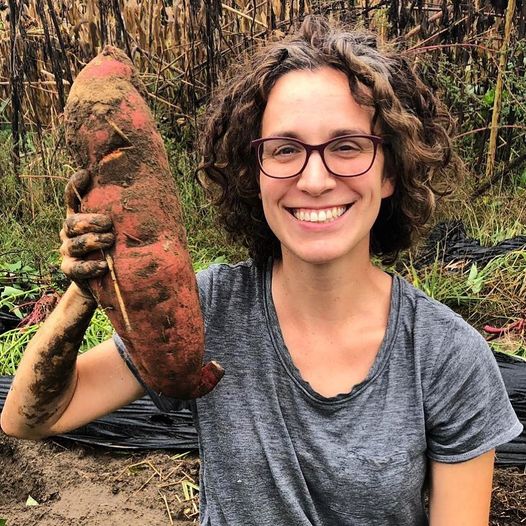
But if you really want to go all out with your tomatoes, try making their family's favourite cherry tomato confit. It's a perfect way to use up a surplus of cherry tomatoes and preserve their flavour all winter. Just bake them with olive oil and herbs until they burst and meld together, then blend it all with a dash of balsamic vinegar and plenty of seasoning. Delicious! (and you'll find the recipe below!) At Our Fields Farm, it's all about the love of good food and the joy of sharing it with others. So head over to the Horton Farmers' Market and say hello to Roger, Romina, and Hallie - and don't forget to try their excellent produce grown using organic methods! "Our family favourite recipe for a glut of cherry tomatoes is a confit. You bake a tray of cherry tomatoes swimming in olive oil for two hours at 200 degrees. You can also throw in whatever herbs you have handy- woody herbs like thyme or rosemary do well here. They will pop and spill their sweet juices and it will mingle into the olive oil. Then I usually blended everything (removing the herb stems!) and freeze the sauce to eat summer all winter long. Don't forget generous salt and pepper. If you feel like the balance of flavours needs a little acidity (because some cherry tomatoes are sweeter than others) then sometimes I add a splash of balsamic vinegar after cooking. YUM".
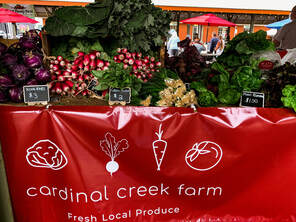
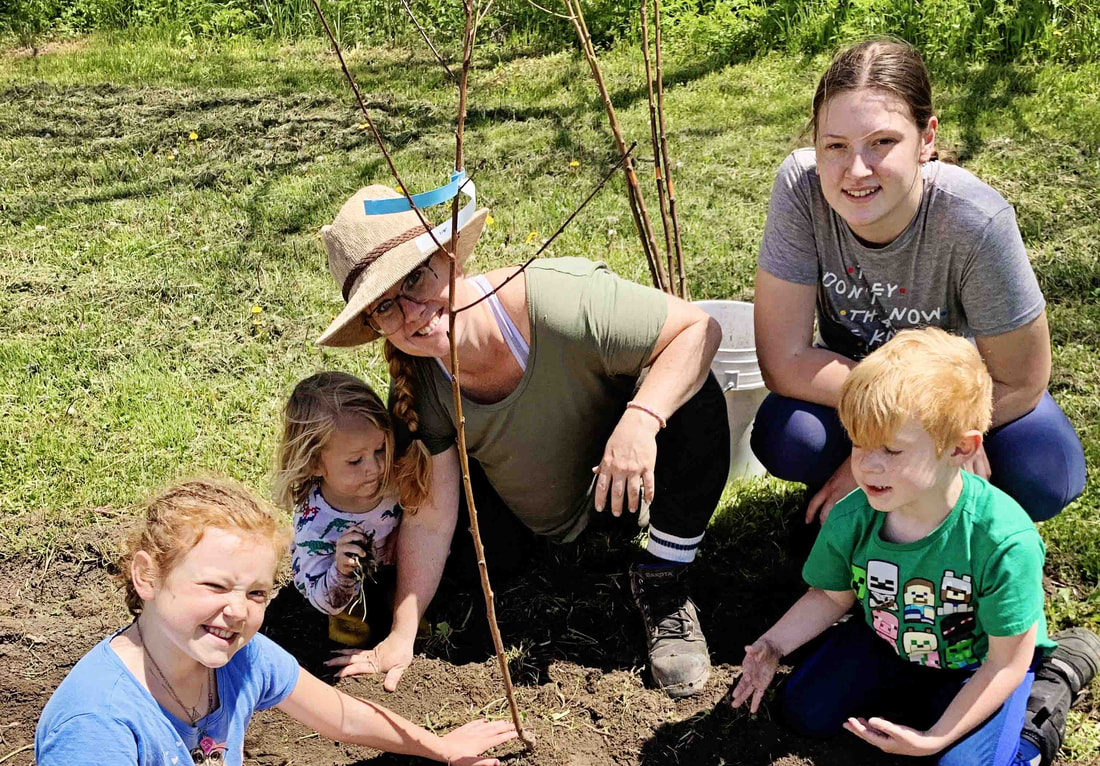
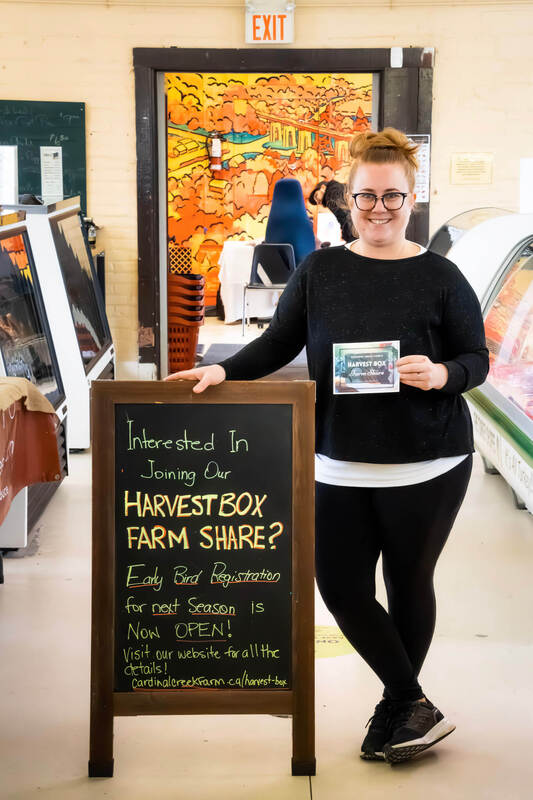
Cardinal Creek Farm is entering its third year with the Horton Farmers' Market family! This small farm near Aylmer is doing some incredible things with regenerative and natural growing practices to bring the most nutrient-dense and flavourful veggies to their community. Anne and Lambert Cook may not have grown up farming, but they have a deep passion for it. Anne's grandparents were farmers, and her mother and grandmother both had impressive kitchen gardens, inspiring Anne to start her own garden as an adult. Anne says, "You never ever know as much as you think you know. There's always more to learn. So much so that you just have to laugh at it." This sentiment is evident in the dedication of Anne and Lambert Cook, who quickly fell in love with growing their own food and the abundance and connection it brought to them. After searching for their forever farm, they found their little piece of paradise on a 10-acre creek-lined horse farm. They set to work preparing the land, planting a family orchard, and starting their gardens without using large tractors. By not tilling, they could build fertile soil and produce healthy plants and incredibly nutritious food. "Regenerative farming is important to us because working with the land to improve and feed the soil while reaping the benefits of seasonal veggies. The nutrient density in each plant is so much higher because it's getting what it needs from soil and microbial life in that soil. After all, we focus on adding good quality organic matter in a few different ways." And don't even get us started on their love of good quality, flavourful food! They offer prepared and frozen meals at local markets and in their store, sourcing ingredients locally and organically whenever possible. Some new plant-based meals will be coming this season starting in late June. But let's talk about the veggies themselves. Cardinal Creek Farm grows varieties prioritizing flavour, ensuring every bite is fresh, nutritious, and oh-so-delicious. Some of their selection includes napa cabbage and potatoes are some of their beloved, fresh-grown ingredients, along with yellow cherry tomatoes, which are in season for summer! Some of Cardinal Creek Farms' favourite ways to use these products are in kimchi, tomato soup, and potato salad. They offer their produce through their Harvest Box Program, farm stand, and local markets, so there are plenty of ways to get your hands on their excellent food. Cardinal Creek Farm's love for its customers and connections made at Horton Farmers' Market is evident. They have a spring sale for Community Supported Agriculture (CSA) ending on May 26th and a seedling sale from May 13th to the end of the month. So there you have it, folks! Cardinal Creek Farm is a small but mighty force to be reckoned with in the local farming world. If you have yet to try their veggies, you're missing out on some seriously fantastic flavours. The Cardinal Creek Farm family can't wait to see you at the Horton Market!
|

 RSS Feed
|
© Horton Farmers' Market 2024
|

|


|

|